
12-Panel At-Home Screening: What It Detects
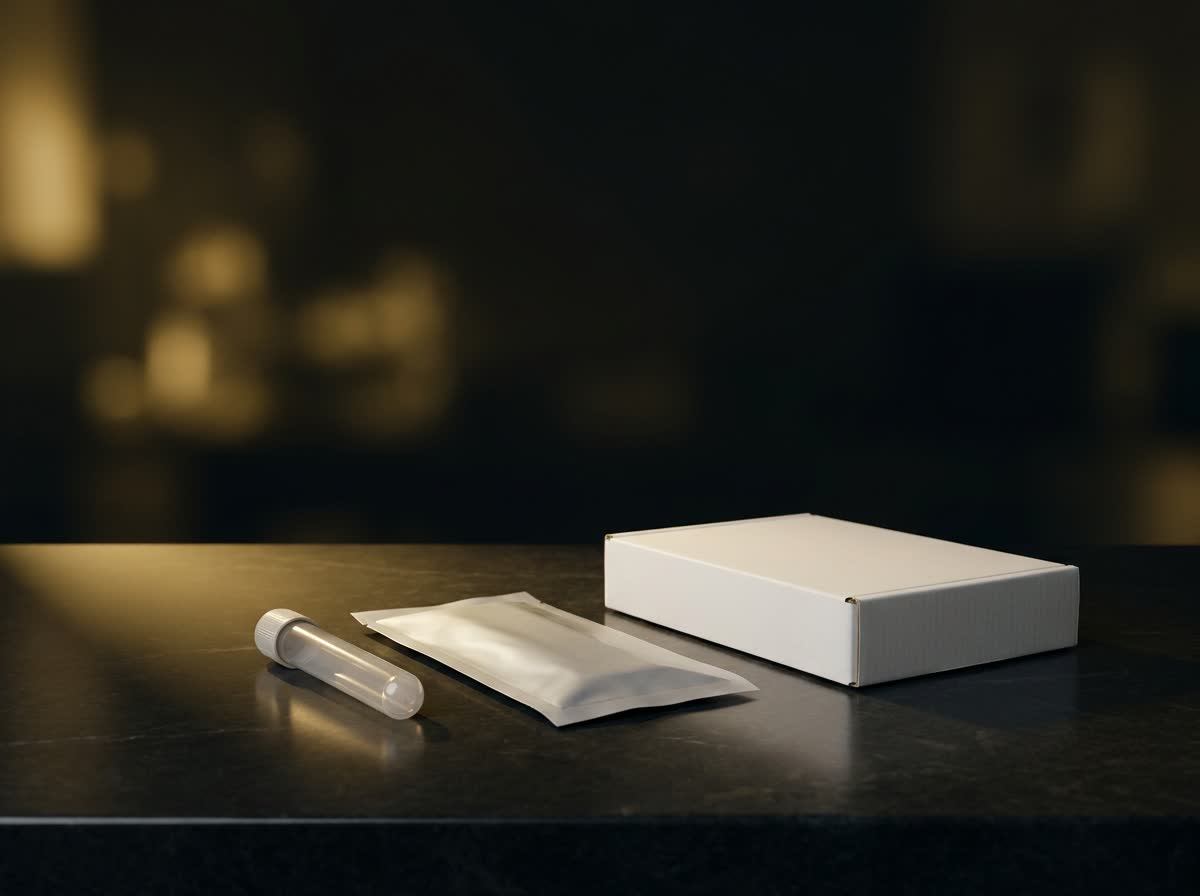
When you shop for an at-home drug test you will see references to different "panels". The number is how many substances the test looks for. LabX offers one: the 12-panel, $89 in urine or $99 by fingerstick blood. Our at-home kit is a 12-panel, and unlike most consumer kits every presumptive positive on it goes to a laboratory for confirmation rather than being read off a strip in your bathroom.
What "panel" actually means
Each item on a panel is a substance or class the test detects, by identifying the drug or its metabolites. A larger panel does not make the test more accurate for any single drug — it simply widens the net. It is worth knowing exactly what is on the list rather than trusting the number, because two kits both sold as 12-panels can look for different things.
What the 12-panel detects
This is our list, not a representative one. On a self-collected urine sample:
- Amphetamines — amphetamine and methamphetamine
- Cocaine
- Opiates — morphine and codeine
- Oxycodone
- 6-MAM — the marker the body only makes after heroin
- Fentanyl
- Benzodiazepines
- Barbiturates
- PCP
- Alcohol — ETOH in urine, ETS in blood
- Marijuana (THC) — urine only
- MDMA — blood only, in place of THC
The kit also comes as a fingerstick blood sample, which runs the same twelve with MDMA in place of THC. Urine has the longer detection windows; blood is the more stable specimen and the harder one to tamper with.
What it does not detect
Being straight about this is more useful than a longer list. The 12-panel does not cover methadone, buprenorphine, tramadol, ketamine, hydrocodone, kratom, gabapentin, the antidepressants or the muscle relaxants. Prescription medication misuse — pills found at home or shared by friends — is a real concern for teenagers, and it is largely invisible to any immunoassay screen at any panel width.
If that is your actual worry, the answer is not a wider screen but a different method. Our full toxicology screen measures 76 compounds by LC-MS/MS — opioids and their metabolites, benzodiazepines and Z-drugs, stimulants, gabapentinoids, antidepressants, antipsychotics and muscle relaxants — and reports each one by name with a number, not as a line on a strip.
Reading results with the right context
A positive for a medication your teenager is lawfully prescribed is expected, not alarming. This is why laboratory confirmation matters: a lab identifies the specific substance and can distinguish a prescribed medication from something else, so you are reacting to accurate information rather than a preliminary screening flag. A screen tells you something might be there; confirmation tells you what it is.
Is the 12-panel right for your family?
It is a sensible default when your concern is the common drugs of abuse, and it covers fentanyl — which many consumer kits do not. If your concern is prescription pills specifically, order the full toxicology screen instead, or add it to the kit. Either way, prioritise a kit that confirms results in a laboratory over one that only screens.
LabX Diagnostic Systems runs lab-confirmed at-home kits from our own CLIA-certified laboratory. You can review how at-home testing works, order a kit, and see confirmed results securely in your account.
The takeaway
A 12-panel at-home screen covers the common drugs of abuse including fentanyl, on urine or on a fingerstick. Its real value is not the number on the box — it is that a positive goes to a laboratory rather than being judged by eye. Want to know what is actually there? Order a lab-confirmed 12-panel at-home kit from LabX.
Talk to a licensed physician. Information on this page is general education, not medical advice or a diagnosis. Review any test result and any symptoms with a licensed physician, and seek emergency care if needed. See our medical disclaimer.